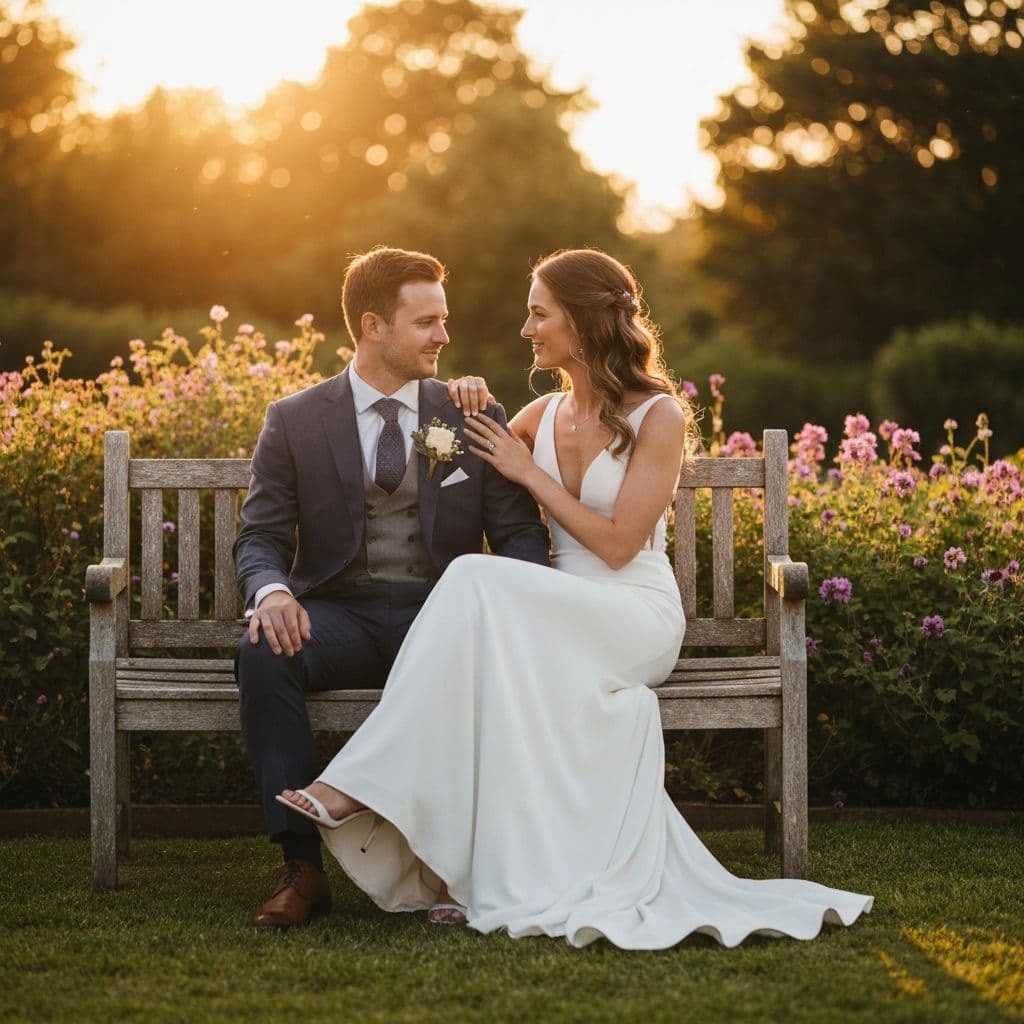
One of the most common things we hear from couples after their wedding is this: "It went by so fast." And while that's partly just the nature of a meaningful day, it doesn't have to feel like a blur.
The secret? Building a timeline that has margin. Space to breathe. Room for the unexpected. Here's how to create a wedding day schedule that lets you actually be present for your own wedding.
Why Most Wedding Timelines Feel Rushed
Traditional wedding timelines try to fit everything in: getting ready, first look, bridal party photos, family formals, ceremony, cocktail hour, reception, dances, cake cutting, bouquet toss, exit. It's a lot.
The problem is that most timelines are built with zero buffer. Every moment is scheduled back-to-back, and the second something runs long (and something always runs long), the whole day starts to feel like you're chasing the clock.
That stress shows up in your face, your body language, and ultimately, your photos and film.
The Power of Buffer Time
Buffer time is unscheduled space between events. It's 15-30 minutes of nothing planned. And it's the single best thing you can add to your timeline.
Here's what buffer time does:
- Absorbs delays without creating a domino effect
- Gives you moments to breathe, eat, hydrate, or just be together
- Allows for spontaneous, unplanned moments (which often become the best parts of your film)
- Reduces stress for you and your entire vendor team
A timeline without buffer is a timeline waiting to break.
Where to Build in Margin
Not every moment needs a buffer, but these key transitions do:
After getting ready, before first look. Hair and makeup almost always run a little over. Give yourself 20-30 minutes here.
After portraits, before ceremony. This is a great time for a private moment together, a snack, or just catching your breath before the big moment.
Between ceremony and reception. Cocktail hour exists for a reason. Use it. Don't try to squeeze in more photos during this time unless absolutely necessary.
During the reception. You don't need to do everything. Cut what doesn't matter to you and create space for what does.
A Sample Timeline with Breathing Room
Here's an example of a 5:00 PM ceremony with intentional margin built in:
12:00 PM - Hair & Makeup begins
3:00 PM - Getting ready complete (buffer built in)
3:15 PM - Bride finishes dressing, private moment
3:30 PM - First look
3:45 PM - Couple portraits
4:15 PM - Wedding party photos
4:30 PM - Buffer / private moment / hydrate
4:45 PM - Family formals
5:00 PM - Ceremony
5:30 PM - Cocktail hour begins / Couple enjoys time together
6:30 PM - Reception begins
Notice the gaps. Those gaps are where the real moments happen.
What to Cut (If You Need To)
If your timeline feels packed, here are things to consider cutting or simplifying:
- Garter toss / bouquet toss - Most couples skip these now
- Excessive formal photo combinations - Prioritize the must-haves
- Multiple venue changes - Each location adds transition time
- Late-night events that extend past your energy - End on a high note
Your wedding doesn't have to include everything. It just has to include what matters to you.
Work with Your Vendors
Your photographer, videographer, and coordinator should be partners in building your timeline, not just recipients of it.
Share your priorities with them:
- What moments matter most to you?
- Where do you want to feel unhurried?
- What traditions can you skip?
- How much getting-ready coverage do you actually want?
A good vendor team will help you design a day that flows naturally, not one that feels like a production schedule.
Final Thoughts
Your wedding day will go by fast no matter what. But it doesn't have to feel rushed. Build in margin. Prioritize presence over perfection. And remember: the best moments often happen in the in-between.
We help our couples build timelines that feel natural and unhurried. If you want a wedding day (and a film) that actually lets you breathe, we'd love to talk.
Martin Summit Media
Husband & Wife Photo + Film Team
Based in Western North Carolina, available worldwide